
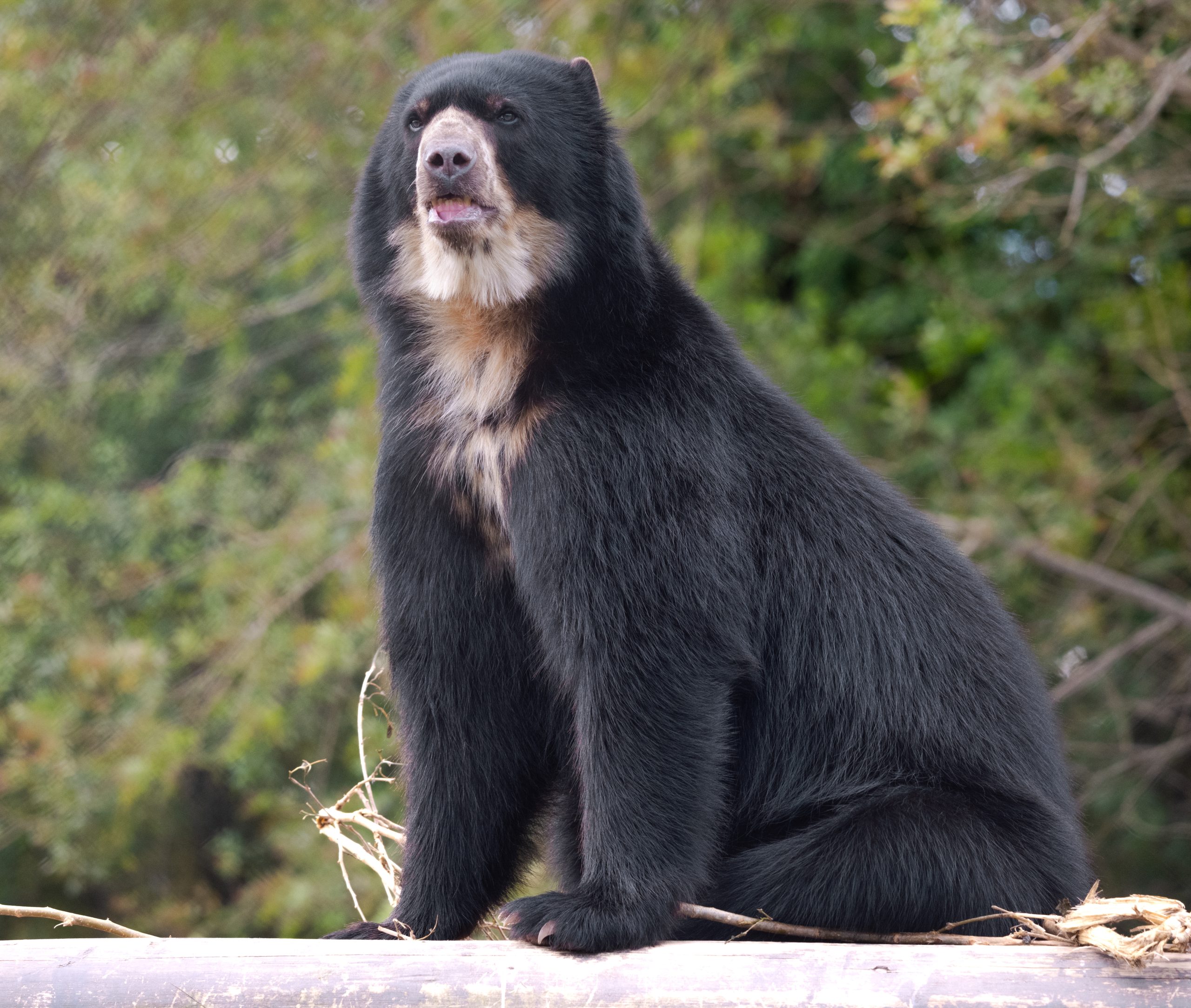
In the high-altitude cloud forests of northern Peru’s Leche River basin, the presence of the spectacled bear (Tremarctos ornatus) functions as a biological barometer for the health of the Andean watershed. As the only bear species native to South America, its ecological niche is both highly specialized and increasingly vulnerable. While the species is classified as “Vulnerable” by the IUCN Red List, recent efforts in the Peruvian Andes have moved beyond traditional protectionist policies, shifting toward an integrated model of community-led economic development and strategic habitat management.
Context and Stakes
The Andean cloud forest is a critical carbon sink and a foundational water tower for the region. However, these ecosystems are subject to intense pressure from agricultural expansion. Satellite monitoring confirms that habitat fragmentation remains the primary threat to the spectacled bear, as the clearing of high-altitude canopy for cattle grazing and corn cultivation creates isolated “islands” of forest.
This fragmentation forces the spectacled bear into closer proximity with human settlements. The resulting human-wildlife conflict—often characterized by crop raiding and subsequent retaliatory poaching—creates a cycle of instability. For local communities, which often rely on subsistence farming, the economic pressure to clear forest is a rational response to food insecurity, creating a conflict where both human livelihoods and biodiversity are systematically degraded.
Operational Intelligence: The SBC Framework
The Spectacled Bear Conservation Society (SBC), a non-profit organization focused on the Leche River basin, has institutionalized a strategy that replaces exclusionary “fortress conservation” with economic integration. Their methodology centers on the “Felti” program, which provides local Andean women with training in high-value needle-felting.
By creating an alternative revenue stream that is decoupled from land clearing, the SBC addresses the economic driver of deforestation. Participants in the program receive payment for their craft, which relies on the continued integrity of the local ecosystem. This approach shifts the bear from a competitor for agricultural land to a symbolic and economic asset.
Parallel to this community program, the SBC utilizes a permanent array of motion-activated camera traps. This field research provides granular, longitudinal data on bear movement patterns, which is critical for mapping viable biological corridors. This data-driven approach allows the SBC to prioritize the acquisition and protection of land parcels that serve as essential bridges between fragmented forest zones.
Evidence and Verification
The efficacy of this integrated model is supported by ongoing monitoring. The SBC’s field reports indicate that long-term tracking of individual bears—identified via their unique, finger-print-like facial markings—has provided baseline data necessary for corridor design. While definitive population counts in high-altitude terrain remain complex to verify, the expansion of protected corridors and the sustained participation of local artisans provide observable indicators of program scale. SBC documentation and annual field reports consistently highlight these operational outcomes, distinguishing them from purely theoretical conservation goals.
Human Dimension
The success of this conservation effort is predicated on the engagement of local stakeholders. By involving regional women in the Felti program, the SBC has fostered a localized stewardship model. Field research teams, which often include local residents, bridge the gap between ecological monitoring and day-to-day agricultural realities. This participatory model ensures that conservation initiatives are viewed as integrated community efforts rather than externally imposed mandates.
Limitations and Ongoing Challenges
Despite the success of the Felti model, the SBC and similar organizations face persistent systemic challenges. The primary obstacle remains the scalability of community-based economic programs in regions with limited market access. Furthermore, ecological restoration is a multi-generational process; protecting existing corridors is only the first step. Long-term climate variability poses an additional, unresolved risk to cloud forest moisture retention, which may dictate future bear movement in ways that are currently difficult to model. Additionally, relying on artisan goods to fund large-scale land acquisition requires constant market engagement, which remains a significant operational burden.
Systems Impact: The Umbrella Effect
The spectacled bear serves as a classic “umbrella species.” The expansive range requirements of a single adult bear necessitate the protection of thousands of hectares of forest. By securing this land, the SBC provides indirect protection for a host of co-occurring species, including the Andean condor and the mountain tapir.
Furthermore, the protection of these cloud forests is essential for regional water security. These forests trap atmospheric moisture, regulating the hydrological cycle for communities living in the lower valleys. In this sense, the conservation of the spectacled bear is a form of regional infrastructure management—securing the water supply that underpins the region’s agricultural economy.
Informed Engagement
The Spectacled Bear Conservation Society offers several avenues for those interested in the details of their operational model.
- Field Research: To review the methodologies and data behind their corridor mapping, their field research page provides technical insight.
- Direct Support: Engagement with their Felti artisan program contributes to the project’s economic funding model.
- Continued Awareness: For a comprehensive look at the program’s progress, the SBC news and field updates offer transparent, ongoing reporting on their milestones and organizational growth.
The work of the SBC provides a replicable framework for integrating biological preservation with human development, serving as a critical case study for conservation strategy in the Andean region.