
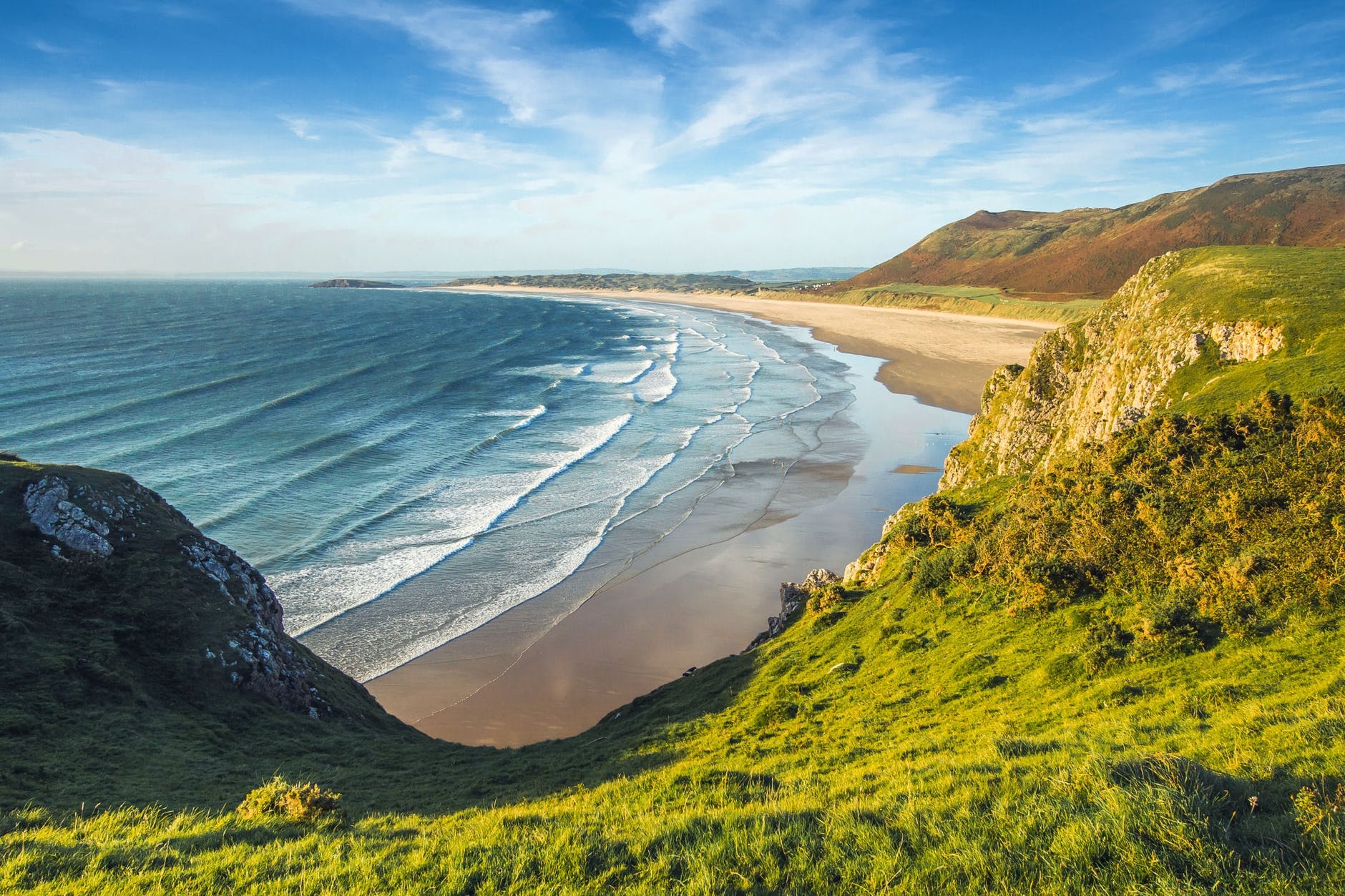
Costa Rica has been ranked as one of the top ecotourism destinations on earth. It’s a country that combines an incredible diversity of landscapes, cultures, and wildlife with an unsurpassed standard of living and very high quality of life for its population.
The country’s many sights include lush rainforests, stunning beaches, volcanoes, cloud forests, and spectacular waterfalls.
Costa Rica is well renowned for its natural biodiversity, with more than 50% of its land base protected from new development, making it one of the most biodiverse countries in the world.
This makes Costa Rica one of the best eco-touring destinations in the world.
Costa Rica has protected land
Over 28% of the country’s 19,730 square miles are protected from future development. So there are many opportunities for ecotourism in Costa Rica.
Costa Rica boasts an impressive variety of National Parks, Wildlife Refuges, Protected zones, Wetland areas, Cloud forest reserves, and Biological Reserves.
Costa Rica is known around the world as the “Switzerland of Central America” because of its wealth of natural resources and abundance of green spaces.
With an estimated 2,605,000 acres of forested land (just over half the country), Costa Rica has maintained its biodiversity while still providing space for people to live comfortably.
The Ring of Fire
Costa Rica sits directly in the path of the “Pacific Ring of Fire,” which means it has a high rate of volcanic activity and earthquakes.
As if all this geological action wasn’t enough, Costa Rica’s volcanoes also create some of the most fertile soils in the world.
The volcanic activity creates mineral-rich soils, which are regenerated by falling ash. These rich soils are essential for growing coffee, cocoa beans, and bananas—the three top exports from Costa Rica!
A few things to do in Costa Rica
Plan a visit to Territorio de Zaguates, which means (Land of The Strays).
It’s a sanctuary that has rescued stray dogs for over 15 years.
They currently care for more than 1800 dogs in their sanctuary in Costa Rica—and each one is looking for a new home.
The sanctuary does everything to help these dogs find their forever families.
They also help with training and socialization within the larger pack of hounds.
The good news is that those who never find a new home will always have a place within the pack at the sanctuary.
Check out the store for Territorio de Zaguates merch here.
Zipline through the rainforest canopy
Ziplining through Costa Rica’s rainforest is an experience you’ll never forget. A zip line tour is for you if you’ve ever wanted to glide through the treetops.
Plan to be more than 100 feet above the jungle floor.
Zip lining is nothing like other canopy tours where you walk along narrow trails or platforms. Zip lines are fast and exhilarating!
This offers a rare opportunity to see animals like monkeys and birds up close as they move about their daily lives.
Visit Costa Rica Experts for some of the Best Costa Rica Zip Line & Canopy Tours.
Visit a beach
Costa Rica is a beach lover’s dream. It’s famous for some of the most stunning beaches throughout Central America.
There are over 800 miles of coastline on the country’s Atlantic and Pacific sides.
Costa Rica has some of the most spectacular beaches in the world. Your options are endless, from secluded beaches with pristine water to public beaches where you can watch surfers catch waves.
Visit a hot spring
Costa Rica has over 200 volcanic formations, and these have heated groundwater to form natural thermal pools and therapeutic mud. It’s nature’s spa!
The hot springs are known for their therapeutic properties. The native people who live in Costa Rica have used them for centuries.
Hot springs are known to have therapeutic and rejuvenating qualities of these mineral-rich waters. However, most visitors indulge in Costa Rica’s hot springs for their relaxing and restorative qualities.
Go bird watching
With an astounding 918 species of birds, Costa Rica has several particular Regions that are great for Birding. You can find birds of all shapes and sizes here.
Costa Rica is one of the world’s best places to go bird watching.
Go Hiking
Costa Rica is a nature lover’s paradise. From the start, you’ll be surrounded by mountains, beaches, rainforests, and rivers. But if you’re looking for a great hike, you will want to know where to go.
Alltrails has you covered with an extensive collection of hand-curated trail maps, reviews, and photos from nature lovers like you.
You can discover a diverse range of the best hiking trails in Costa Rica.
These include 25 family-friendly hikes, two wheelchair-friendly trails with helpful accessibility guidance, and roughly 166 hikes with waterfalls and breathtaking scenic views.
Go caving or spelunking
If you’re super adventurous, then caving in Costa Rica is a great way to explore the underground world of this beautiful country.
Caves can be found all over Costa Rica and offer an incredible opportunity to see some fascinating karst landscapes.
These karstic landscapes include caves, sinkholes, underground rivers and streams, and other fascinating features that form when water dissolves bedrock.
The Zona Sur is the largest karstic region in all of Costa Rica; it encompasses more than 200 caves, many of which are the biggest in the country.
There are many types of caves in Costa Rica, including lava tube caves which were created by volcanic activity.
There are more than 370 caves already explored caves.
Most of these are found in different geological conditions, including karstic, marine, tectonic, volcanic, or combinations of all!
Every outdoor activity imaginable
Costa Rica is the perfect place to get your adrenaline pumping!
Costa Rica has so much to offer that you’ll have a hard time deciding what to do.
You can choose your own adventure from kayaking, scuba diving, and white water rafting and snorkeling.
You can also go tubing down the Pacuare River or bungee jumping off of one of Costa Rica’s beautiful waterfalls.
If you’re up for the challenge, try rock climbing or rappelling down ancient ruins in the jungle. Or saddle up and take a ride through the rainforest on horseback!
Attend a yoga retreat
Need a little time for some relaxation? Luckily, Costa Rica is the perfect place for catching up on some rest—and doing it in style.
You can find more than 80 yoga and wellness retreats in Costa Rica. In addition, there are all kinds of healing retreats in Costa Rica, including Yoga retreats, silent meditation retreats, Wellness retreats, Detox retreats, and more!
Many retreats will help you re-balance and reconnect with nature.
Book a yoga retreat in Costa Rica with Book Retreats!
Attend an Ayahuasca ceremony in Costa Rica
Suppose you’re an intrepid traveler and want to experience something new and different. Why not try attending an Ayahuasca ceremony in Costa Rica?
While this particular substance is illegal in the United States, it is legal in a few countries, including Costa Rica.
Today, it’s gaining popularity as a tool for self-discovery, personal growth, and transformation.
Check out Sotara Retreats and Behold Retreats, which have locations in Costa Rica.
Visit a farmer’s market
Costa Rica is a great place to discover new fruits and vegetables. Still, it’s also a great place to interact, mingle with locals, and learn about Costa Rican cuisine.
Every town in Costa Rica has a local farmers’ market, so what better way to get a taste of local life than by visiting one?
This is where you’ll find a wide variety of fruits and vegetables that are grown locally.
You can also interact directly with the locals and try new local specialties. And with all this fresh produce, there’s no better time to start cooking!
It doesn’t matter if you’re looking for rare or specialty varieties of exotic fruits and vegetables—you can find them at farmer’s markets.
These markets allow you to find more than the typical grocery store varieties.
Where to stay in Costa Rica
Stay in an ecolodge
Suppose you’re looking for a laidback alternative to the typical hotel accommodation but still want to stay in touch with nature and the great outdoors. In that case, an ecolodge could be the perfect place for you.
Many eco lodges in Costa Rica offer a unique way of experiencing nature while still having many creature comforts.
The lodges usually have a rustic feel with lots of wood and stone. Still, they often have modern amenities like WiFi and electricity.
Most of these ecolodges are already listed on sites likeAirbnb.
Here are a few ecolodges:
Nayara Springs ecolodge
Nayara Springs is a luxury ecolodge located in the Arenal area of Costa Rica. The property sits on a private reserve, offering you a unique opportunity to experience nature while enjoying modern amenities and luxurious accommodations.
Pura Vida Eco Lodge
Pura Vida Ecolodge is a unique eco-luxury retreat nestled amongst virgin rain forests. It’s a peaceful sanctuary and a destination where guests can enjoy a truly memorable experience comprised of tranquillity and adventure.
The ecolodge has been awarded a ‘Certificate of Excellence every year since opening by TripAdvisor.
HomeStay
Home Stay is another excellent option for finding affordable and economical lodging.
There are around 32 different hosts and growing, so you can find a place to stay that’s close to where you want to go.
Hostelworld
Hostel World has about 139 hostels that you can choose to stay at, located throughout Costa Rica.
Hostels are great for travelers because they are usually cheaper than hotels and guesthouses and provide a golden opportunity to meet other people who are also traveling.
Expect to pay anywhere between $10.00 to $20.00 per night for a dorm room.
Volunteer in Costa Rica
You can choose from hundreds of ecovillages, hostels, NGOs, organic farms, and more in Costa Rica. This offers an excellent opportunity to immerse yourself in the natural surroundings and make a difference for others.
Why volunteer? It gives you the chance to help out, explore new places and cultures, and maybe even make lifelong friends.
You’ll have a chance to learn about Costa Rica’s rich history and culture, giving you a deeper understanding of your world.
Wwoof on a farm in Costa Rica
Costa Rica is home to over 20 different Wwoofing opportunities.
Wwoof stands for WorldWide Opportunities on Organic Farms, Independents (WWOOF™ Independents).
Wwoof is part of a worldwide movement that connects visitors and travelers with organic farmers.
Wwoof promotes a cultural and educational exchange while building a global community conscious and in tune with ecologically based farming and sustainability practices and techniques.
You will gain first-hand experience by learning about sustainable farming practices. This is the perfect way to do it!
You can help out on organic farms by volunteering in exchange for food, accommodation, homesteading knowledge, and the development of lifelong friendships with farm hosts.
You will be able to learn from seasoned farmers about how they live off the land and grow their produce without using pesticides or chemical fertilizers.
Travelers who volunteer on Wwoof farms have the chance to learn more about ecological farming practices in Costa Rica and experience life in rural communities.
World Packing in Costa Rica
World Packers makes it easy to volunteer responsibly and have transformative experiences. They will help you connect thousands of volunteers and hosts around the globe, including Costa Rica.
World Packers will help you find the best volunteer experiences based on what you want to do, where you want to go, how much time you have available, and how much money you’d like to spend.
They also offer a learning hub and resources for overcoming fear or doubts about volunteering abroad.
And if you think you may need extra support along the way, they’ve got an active community of volunteers who’ll be there for you every step of the way!
Workaway
Traveling to Costa Rica can be expensive, but there’s another way to go!
Workaway is a website that allows you to connect with hosts worldwide and take on volunteer work while you travel.
You’ll get the chance to experience a new culture and make friends while doing meaningful work in your host’s community.
If you’re searching for another low-cost way to explore Costa Rica without having to pay agency fees, Workaway is an excellent option.
There are 292 hosts and organizations for volunteer and paid work in Costa Rica that you can find on the Workaway website.
Help X
HelpX is an online listing of hosts who offer everything from organic farms to farm stays.
There are 47 volunteer opportunities.
The helpers usually work 4 hours per day and receive free accommodation and meals for their efforts.
Interesting Facts
What does Pura Vida mean?
Costa Rica is a magical place where you can truly live your life. And what does that mean? According to Costa Rica’s people, it means Pura Vida.
It means to be grateful for all the good things in life (instead of dwelling on the negative ones).
It has also been present in Costa Rica’s vocabulary for over 50 years! However, when the Costa Ricans first used this phrase, they probably never imagined it would become the motto of one of the happiest countries on earth.
Costa Rica has three UNESCO World Heritage sites
Costa Rica has three UNESCO World Heritage sites, protected areas considered to be of outstanding universal value to humanity. These sites include:
- De Conservacion Guanacaste,
- La Amistad Reserve and National Park,
- Cocos Island National Park.
The Wildlife
Costa Rica’s wildlife is mesmerizing, including monkeys, sloths, toucans, and more than 500 species of birds.
The country also boasts over 50 reptiles, including crocodiles and snakes! In addition, Costa Rica has been named a ‘biodiversity hotspot’ due to its high levels of biodiversity.
There are over 1,000 species of plants and trees, including orchids and bromeliads. The diversity in flora is due to the many climates within Costa Rica’s borders.
Costa Rica is a country that’s home to more than 500,000 species of animals, plants, and fungi—and that’s just the tip of the iceberg!
Of these 500,000 species, more than 300,000 of these otherworldly species are, in fact, insects.
The Costa Rican biodiversity is so vast that it represents nearly 6% of the total estimated species worldwide. This means Costa Rica has more species per square mile than any other country.
Many of these endemic species are found nowhere else. So when you visit Costa Rica, you’ll be able to see animals like the white-faced capuchin monkey and the scarlet macaw in their natural habitats!
Visit one of Costa Rica’s 67 wildlife refuges
Costa Rica is home to 67 wildlife refuges, the most numerous category among the protected areas. These reserves are a great option for those who want to experience nature in its rawest form.
The Costa Rican Wildlife Refuge System was established in 1975 to protect species and ecosystems threatened by human activity.
The system has grown to cover almost 12 percent of Costa Rica’s land area.
Costa Rica has 2,000 water sources and wetlands
Costa Rica has a lot of water. Or, more accurately, a lot of wetlands.
More than 2,000 pristine water sources and reservoirs are scattered throughout the country. And now, President Luis Guillermo Solís and other government officials have launched a new initiative called the new National Wetlands Policy.
It’s a road map to preserve Costa Rica’s more than 2,000 pristine water sources and reservoirs.
The plan aims to protect at-risk wetlands and strives to rehabilitate those facing environmental decline and deterioration.
The plan outlines multiple tasks, goals, and responsibilities to help revitalize and continue protecting these delicate ecosystems.
The policy will also protect rare animal species that depend on wetlands for survival and provide economic incentives for landowners who want to retain their property as untouched wildernesses.
Costa Rica is home to 8 indigenous cultures
Costa Rica’s indigenous peoples have lived there for what stretches back to at least 10,000 years before the arrival of the Spaniards—but that doesn’t mean they’ve all always been peaceful.
There are eight distinct tribes that make up Costa Rica’s indigenous population: the Caribs, Borucas, Chibchas, Guaymí, Huetar, Maleku, Térraba, and Tribe.
Most Costa Ricans live in urban areas
The majority (about 80%) of the population lives in urban areas like San Jose or Puerto Limon on the coastlines. In contrast, most tourists visit from other countries during holidays or vacations when schools are closed during the summer months due to high temperatures elsewhere (such as in Canada).