
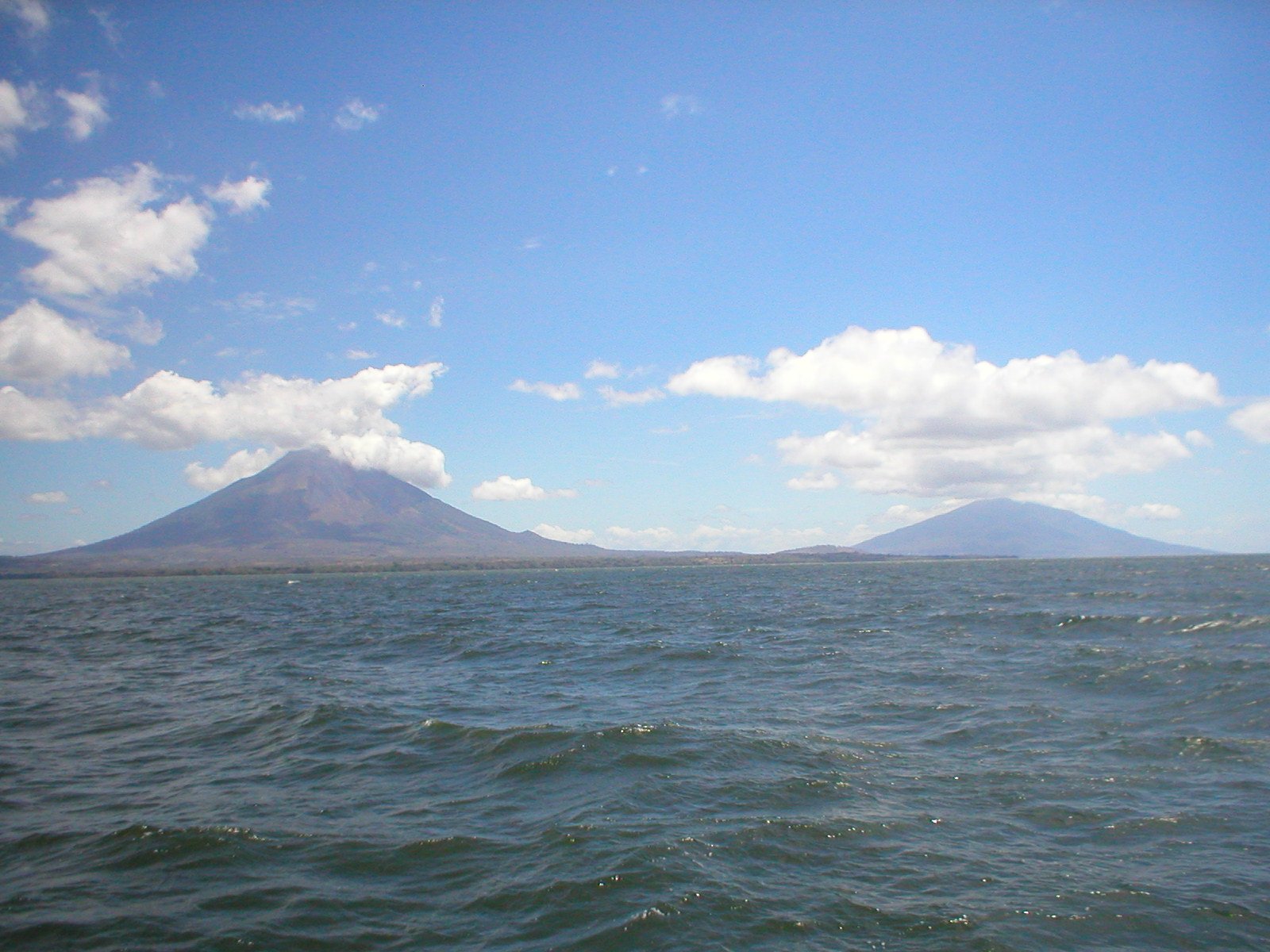
In the volcanic, sun-dappled waters of Lake Cocibolca, the bull shark (Carcharhinus leucas) patrols a frontier that has contracted significantly over the last few decades. Its presence here—hundreds of miles from the open ocean—is a biological anomaly, a testament to the shark’s sophisticated ability to adapt to varying environments.
Historically, these apex predators navigated the 119-mile San Juan River corridor, moving seamlessly between the Caribbean Sea and the lake’s freshwater basin. Today, their presence serves as a biological indicator of the watershed’s integrity.
The preservation of this corridor is not merely an environmental task; it is a complex struggle for regional sovereignty. The Rama-Kriol Territorial Government (GTR-K), in partnership with the Wildlife Conservation Society (WCS) Nicaragua Program, is engaged in a high-stakes effort to maintain a functional, connected ecosystem. They operate in a landscape defined by shifting political tides, industrial expansion, and threat of interoceanic infrastructure projects that could permanently sever the river’s life-sustaining flow and migration route.
The Heart of the Basin: Context and Stakes
Lake Cocibolca is the largest freshwater reservoir in Central America, an 8,264-square-kilometer basin that functions as the lifeblood of Nicaragua. The San Juan River is the artery connecting this inland sea to the Atlantic. Throughout the late 20th century, this system buckled under the pressure of industrial agriculture—which introduced nitrogen and chemical runoff—and the looming threat of an interoceanic canal.
While the specific concession granted to the HKND Group for a massive interoceanic canal was cancelled by the Nicaraguan National Assembly in 2024, the region remains hyper-sensitive. The history of the project serves as a cautionary tale: the prospect of such developments often triggers land speculation, deforestation, and the displacement of local communities long before a single shovel of earth is turned.
Community-Led Stewardship: The GTR-K and Indio Maíz
Conservation strategy in Nicaragua has undergone a profound shift, moving away from top-down mandates toward community-led stewardship.
Formed in 2004, the GTR-K represents nine Rama and Kriol communities. In 2009, they received a formal joint title to 4,000 square kilometers of land and an equivalent area of sea. As the primary stewards of the Indio Maíz Biological Reserve—a region recognized globally for its high concentrations of endangered species—they act as the frontline defense for the San Juan River. By exercising territorial sovereignty and active patrolling, they protect the watershed from unauthorized encroachment by cattle ranchers, gold miners, and land traffickers.
Despite these efforts, the GTR-K faces intense pressure. Investigations by Fundación del Río consistently highlight that land trafficking and illegal deforestation within the wildlife refuge are fueled by systemic neglect. The struggle to maintain jurisdiction over ancestral territory is both a conservation necessity and a fundamental human rights challenge.
The Human Dimension
For the communities bordering the river, stewardship is inseparable from long-term livelihood and cultural survival. The environmental pollution and degradation of the watershed directly translates to the loss of natural resources and safety for the people who call the region home. The work of these communities—through legal action, vigilant forest patrolling, and constant appeals to international bodies—is a grassroots struggle to establish legitimate, local jurisdiction.
How to Engage and Support
The fight for the San Juan River and Lake Cocibolca is underfunded and often invisible on the global stage. You can support the organizations leading this mission:
- Support the GTR-K: Stay informed via their official portal. Amplifying their voice provides a layer of international protection against land encroachment.
- Investigate with Fundación del Río: Their documentation of land trafficking is essential for transparency. Read and share their reports via the official website to hold stakeholders accountable.
- Back WCS Nicaragua: Their technical data and mapping are critical for regional land-use policies. Contributions directly support field monitoring and the safety of local staff through the WCS program portal.
- Conscious Consumption: The drivers of deforestation in this region are often global. Reducing reliance on products linked to tropical deforestation—such as unsustainable beef and soy—helps lower the industrial pressures bearing down on the watershed.
The return of the bull shark to the depths of Cocibolca is not a matter of chance; it is a measure of human resilience. As the San Juan corridor clears, we are reminded that restoration is not merely about returning to an idealized past—it is about securing the sovereignty of those who safeguard the region’s collective future.
How The Bull Sharks Migrate between Freshwater and Saltwater
Osmoregulation is the physiological process that allows an organism to maintain a stable internal salt and water balance despite changes in the external environment. For most sharks, this is an immense challenge, but the bull shark is a master of this, like a true alchemist, allowing it to navigate the transition between saltwater and freshwater with remarkable efficiency.
The Physiological Mechanism
When a bull shark moves between these environments, its body undergoes a radical shift in how it processes salts and water:
- The Rectal Gland: This organ is essentially the shark’s “salt-shifter.” In seawater, it works actively to excrete the excess salt the shark ingests. When the bull shark moves into freshwater, it reduces the activity of this gland to conserve the salt its body needs to maintain cellular health.
- The Kidneys: In freshwater, the shark’s kidneys shift into “high-output” mode. They filter out excess water and produce large volumes of very dilute urine, preventing the shark’s tissues from becoming “waterlogged” due to osmosis.
- Urea and Blood Chemistry: Sharks typically retain high levels of urea in their blood to help balance the high salinity of seawater. When they enter freshwater, they significantly lower the concentration of urea in their tissues, which reduces the osmotic pressure that would otherwise cause water to flood into their bodies.
- The Gills: The gills act as a selective membrane, adjusting the expression of specialized proteins (ion transporters) to either uptake or excrete salts depending on the salinity of the surrounding water.
Scientific Resource
For a technical look at the molecular mechanisms of this process, you can refer to this peer-reviewed study here; Branchial Osmoregulation in the Euryhaline Bull Shark (PubMed/Journal of Experimental Biology)